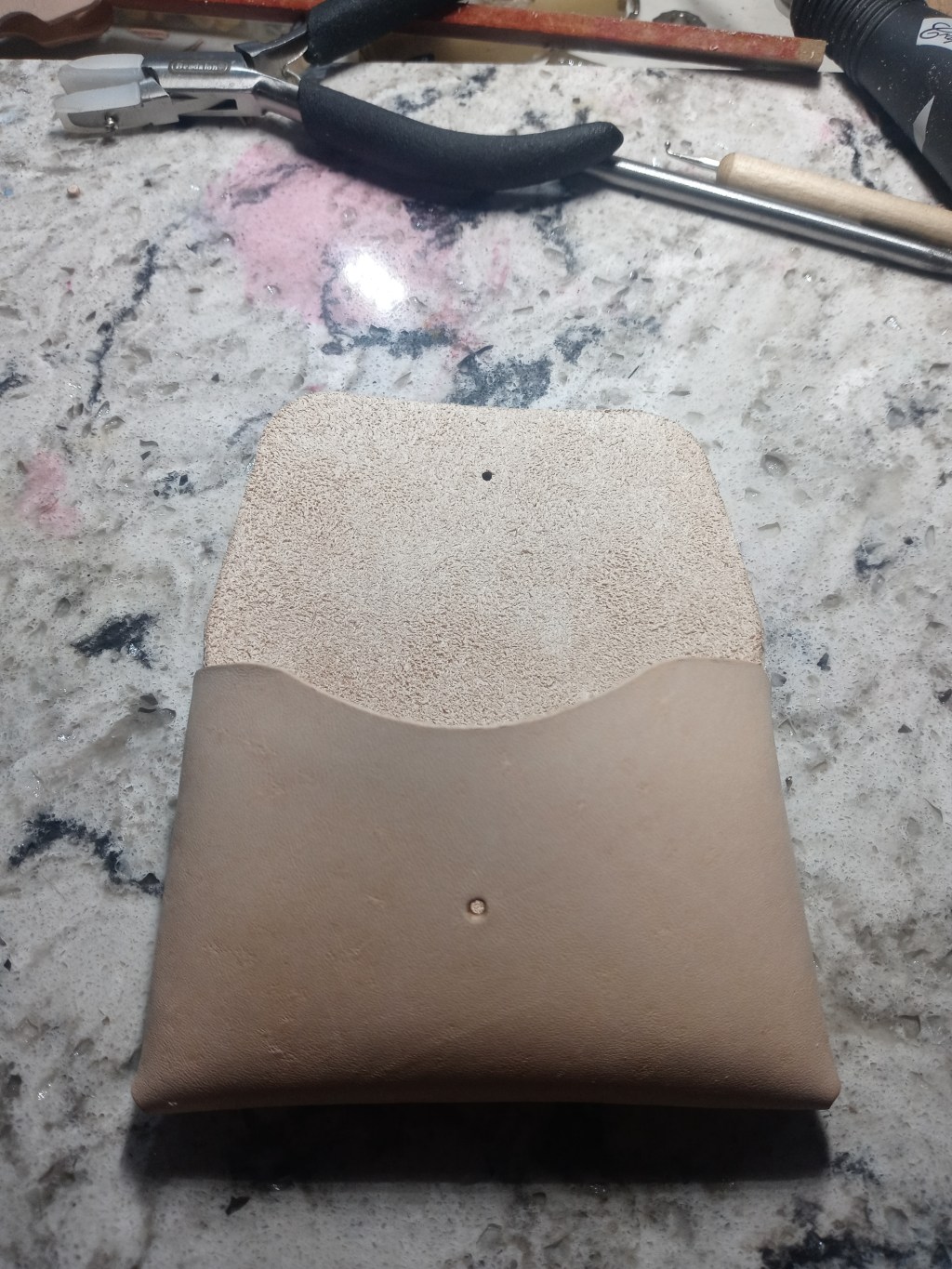
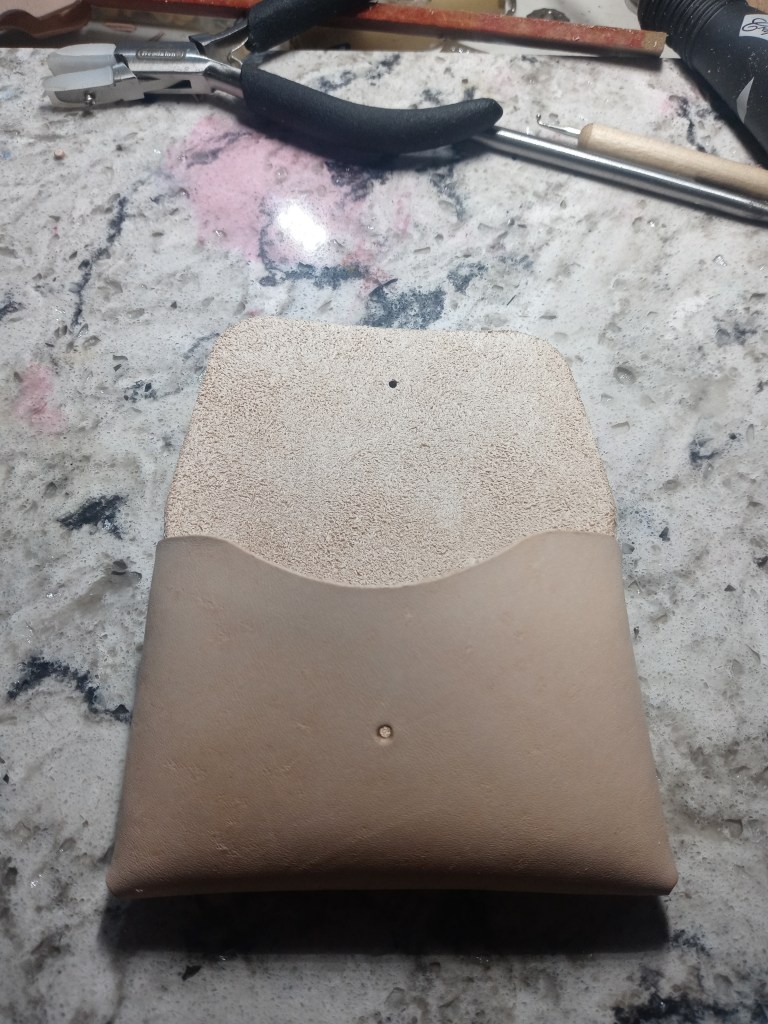
When you’re choosing leather for a handmade piece—whether it’s a rugged belt, a soft tote, or a sleek wallet—the type and weight of the leather matter more than most people realize. The feel, durability, and appearance of a finished product all depend on the material you start with. For leatherworkers and customers alike, understanding the basics of leather weights and types helps you appreciate the craftsmanship behind every piece.
Leather Weights: Measured in Ounces, Felt in Quality
Leather weight is typically measured in ounces, but that measurement doesn’t refer to how heavy the leather is—it indicates thickness. One ounce equals about 1/64 of an inch. So, a 4-ounce leather is roughly 1/16 inch thick, while an 8-ounce hide is twice that.
Thinner leathers, from about 2 to 4 ounces, are flexible and ideal for wallets, linings, or smaller accessories that need to bend easily. Medium-weight leather, in the 5 to 7-ounce range, is sturdy but still workable—perfect for handbags, journal covers, and sturdy pouches. Heavier leathers, from 8 ounces and up, are what you’ll find in belts, saddles, and other goods that need to hold their shape and withstand years of use.
Leatherworkers often “skive” (thin down) areas of heavier leather to make folding or stitching easier, balancing strength and flexibility where it’s needed most.
Full-Grain Leather: The Gold Standard
Full-grain leather is considered the highest quality available. It’s made from the top layer of the hide and retains all of the natural grain and texture. Because it’s not sanded or corrected, each piece carries unique marks and character. Over time, full-grain leather develops a rich patina, deepening in color and shine with use.
This is the kind of leather that tells a story—it softens with age, shows its history in subtle scuffs and shades, and lasts for decades when cared for properly.
Top-Grain Leather: Smooth and Refined
Top-grain leather also comes from the upper portion of the hide, but it’s lightly sanded to remove imperfections and then treated for a more uniform surface. It’s slightly thinner and more pliable than full-grain, making it a favorite for bags, upholstery, and accessories that need a smoother, more polished finish.
While it may not develop as deep a patina, top-grain leather offers a clean, consistent look that appeals to those who prefer a modern, sleek aesthetic.
Genuine and Split Leathers: Accessible and Versatile
The term “genuine leather” often sounds premium, but it actually refers to leather made from the lower layers of the hide after the top grain has been split off. It’s typically embossed to mimic grain texture and used for budget-friendly items. Split leather, another byproduct of this process, is softer and less durable but can be suede-finished for a velvety feel.
These types are ideal for fashion pieces or items that won’t face heavy wear—but they’re not designed for heirloom longevity.
Choosing the Right Leather for the Right Purpose
The beauty of leatherwork lies in the details—the texture, the feel, and the way a piece ages over time. Understanding leather weights and types allows both makers and customers to make informed choices that match their needs. A well-chosen hide can transform an everyday accessory into a lifetime companion. Whether it’s a soft, supple top-grain handbag or a sturdy full-grain belt, every project begins with one crucial decision: choosing the right leather.
 SRTM Leather